Understanding the legal terms can be tricky. Two such terms are probation and parole. They sound similar but are different. Let’s explore what each one means.
What is Probation?
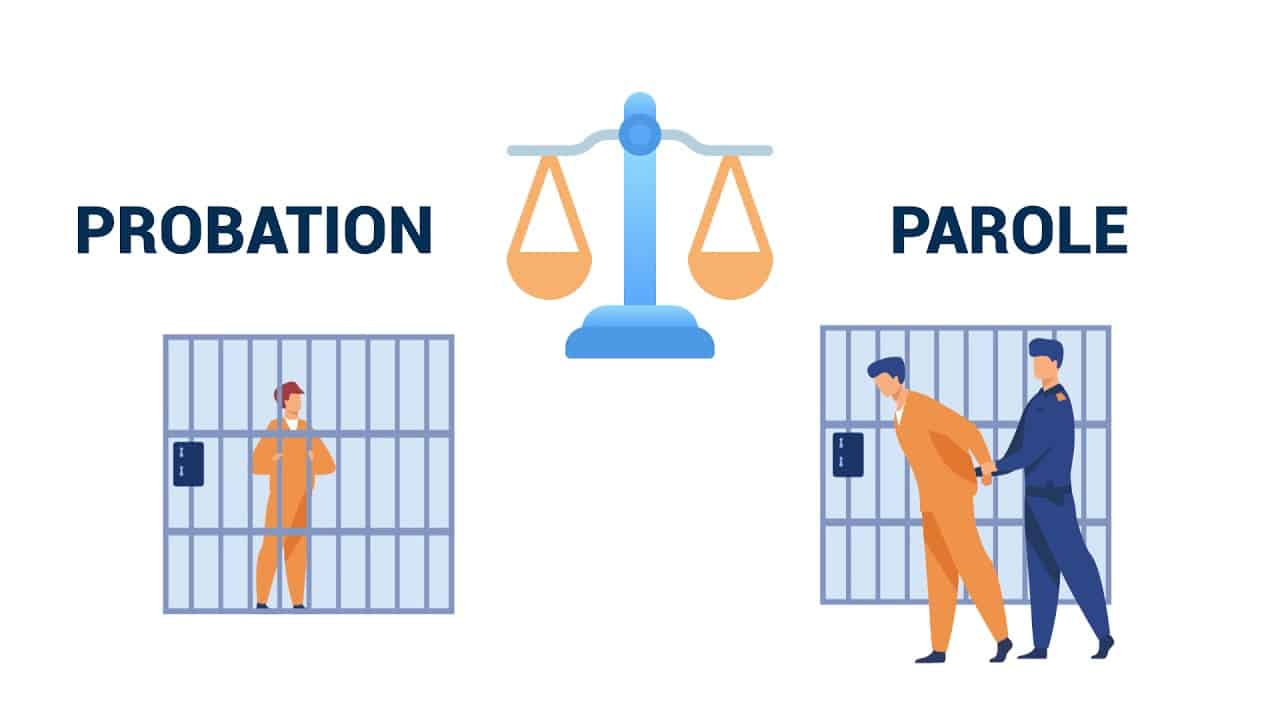
Probation is a court-ordered period of supervision. It happens instead of going to jail. A judge decides this.
People on probation must follow rules. These rules are called conditions. They might have to meet with a probation officer. They might need to stay away from certain places or people.
Probation helps people avoid jail. It lets them live in the community. But they must follow the rules.
Common Conditions Of Probation
- Meeting regularly with a probation officer.
- Staying away from other criminals.
- Not using drugs or alcohol.
- Attending school or work.
- Paying fines or restitution.
If someone breaks these rules, they can go to jail. This is called a probation violation.
What is Parole?
Parole is different from probation. Parole happens after someone is released from jail. They serve part of their sentence in the community. A parole board decides this.
Like probation, parole has conditions. People on parole must also follow rules. They have a parole officer to report to. Parole helps people transition back to normal life.
Common Conditions Of Parole
- Checking in with a parole officer.
- Finding a job or going to school.
- Avoiding illegal activities.
- Not leaving the state without permission.
- Attending counseling or treatment programs.
Breaking parole rules can send someone back to jail. This is called a parole violation.
Key Differences Between Probation and Parole
| Aspect | Probation | Parole |
|---|---|---|
| When It Happens | Instead of jail time | After serving jail time |
| Who Decides | A judge | A parole board |
| Supervision | Probation officer | Parole officer |
| Violation Consequences | Jail time | Return to jail |
The table above shows key differences. Probation and parole have different roles. Both help keep communities safe.

Credit: 7esl.com
Why Are Probation and Parole Important?
Probation and parole help people reintegrate. They provide a second chance. They save money for the state. Prisons are expensive to run.
Probation and parole reduce overcrowding in prisons. They offer support and guidance. They help people rebuild their lives.
Challenges of Probation and Parole
Following rules can be hard. People might struggle with addiction. They might face peer pressure.
Finding a job can be tough. Employers may be hesitant. Support from family and friends is crucial.
Some people break the rules. They might need more help. Counseling and education can help.
Success Stories
Many people succeed on probation and parole. They turn their lives around. They become positive members of society.
Education and job training are key. They provide new opportunities. Many communities have programs to help.
Success requires effort and support. Probation and parole can be a fresh start.

Credit: www.napolilaw.com
Frequently Asked Questions
What Is Probation?
Probation is a court-ordered period of supervision. Offenders avoid jail time. They must follow specific rules.
What Is Parole?
Parole is the early release from prison. It requires supervision. Offenders follow strict conditions.
How Long Does Probation Last?
Probation length varies. It depends on the offense. Typically, it ranges from one to five years.
How Long Does Parole Last?
Parole duration depends on the sentence and behavior. It often lasts until the sentence ends.
Conclusion
Probation and parole are important parts of the justice system. They help people change their lives. They offer a chance for redemption.
Understanding these terms is important. It helps us be informed citizens. Probation and parole benefit individuals and society.
Let’s support those on this journey. Everyone deserves a second chance.

I’m someone who’s always been fascinated by how small differences can lead to big understanding. That’s why I love writing “What’s the difference between…” content; it helps me explore topics from multiple angles and explain them in a clear, practical way. Whether it’s tech, productivity, business, or everyday decisions, I enjoy making complex ideas easier to compare, understand, and act on.